Cracked Heels After Pregnancy: What Your Body Is Really Telling You
By Shannon Domingo, L.Ac.
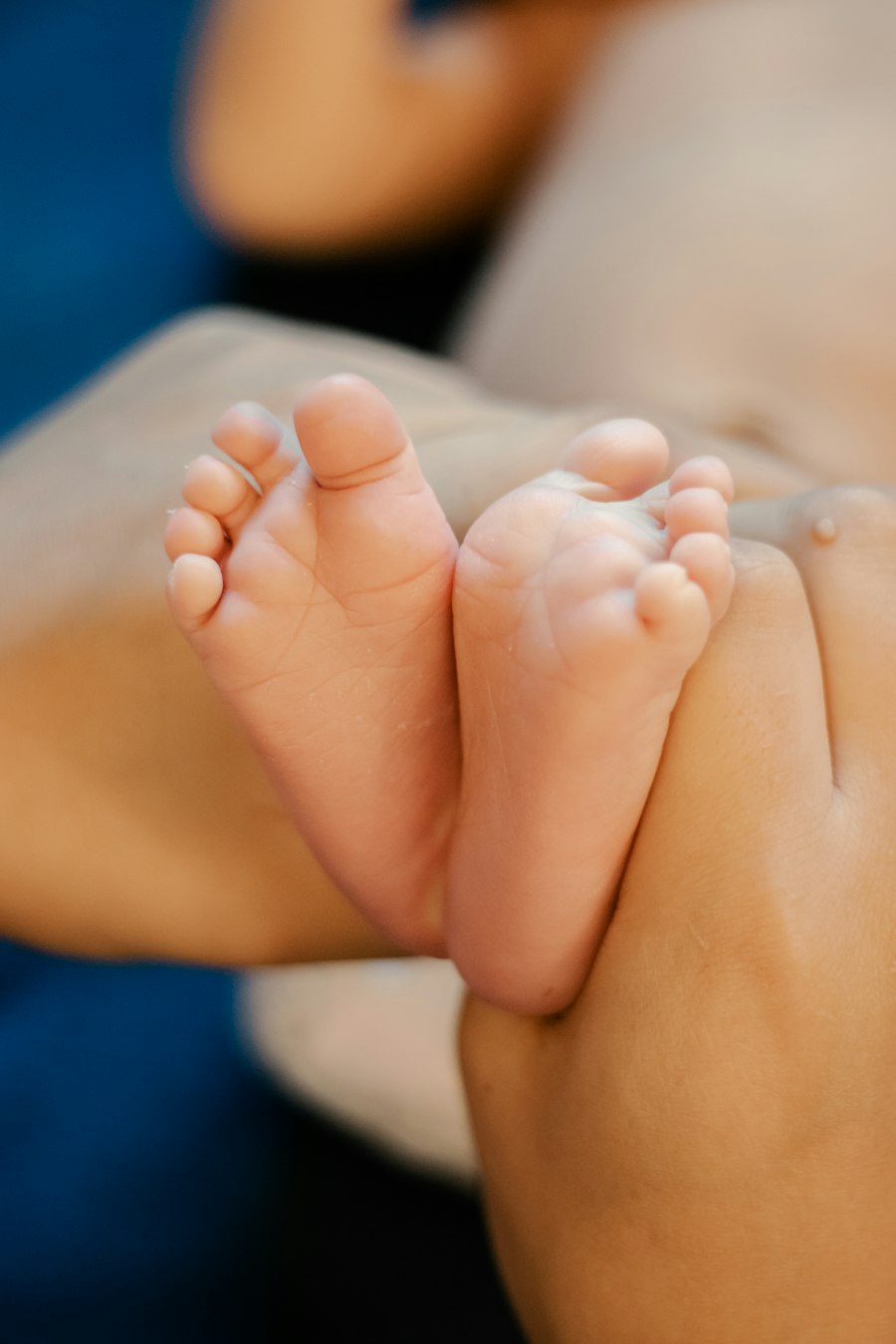
You're a few weeks postpartum. You've got a newborn, approximately zero hours of sleep, and somewhere in the chaos you've noticed your heels look terrible. Not just dry. Cracked. Deep cracks that don't go away no matter how much lotion you apply. Most people chalk it up to dehydration or neglect. And yes, lotion helps a little. But if you're a new mom and your heels are cracking in a way they never did before pregnancy, your body might be telling you something worth listening to.
It's Not Just Dry Skin
In East Asian medicine, the condition of your skin reflects what's happening much deeper in your body. When we see deep, stubborn heel cracks in postpartum women, we're not looking at a surface problem. We're looking at a sign of blood deficiency. The dryness isn't just at the skin level. It's at the blood level. Think about what your body just went through. Labor involves significant blood loss, even in a straightforward vaginal birth, and even more so with a C-section. That blood loss doesn't bounce back in a few days. Your body needs time and resources to rebuild, and in the meantime the blood that remains has to prioritize: vital organs, milk production, keeping you upright and functional. Your heels are at the end of that queue.
Two Reasons Your Blood Gets Depleted Postpartum
There are two main reasons I see blood deficiency showing up as cracked heels in new or second, third, etc. time moms. The first is straightforward: blood loss during labor. Your body lost something real and significant. Even if your OB said everything looked normal, that blood loss is still substantial. The blood that nourishes your tissues (your skin, your joints, your hair) is depleted, and rebuilding takes weeks to months, not days. The second is sneakier: adrenal depletion. New motherhood is relentless. The sleep deprivation, the constant demand, the emotional weight of keeping a tiny human alive, all of it runs on your adrenal system. When your adrenals are chronically taxed, your body burns through resources faster than it can replace them. The blood gets used up trying to sustain your stress response, and your skin gets what's left over. Deep heel cracks can be a sign of either, or both.
What This Looks Like vs. Regular Dry Skin
Regular dry heels respond to lotion, exfoliation, socks at night. They're seasonal, or tied to dehydration, and they clear up with some attention. Blood-deficiency heel cracks are different. They're persistent. They show up or worsen after childbirth. They might come with other signs: hair loss, feeling cold (especially cold feet), brain fog, or that specific postpartum exhaustion that sleep doesn't fully fix. The cracks can be surprisingly deep for someone who isn't neglecting their body. If that description sounds familiar, you're not imagining it and you're not failing at self-care. Your body is depleted, and it's showing you where.
What Actually Helps
If the root cause is blood deficiency, the fix needs to go deeper than moisturizer. Here's what I see make a real difference.
- Nourishing foods: Dark leafy greens (steamed), red meat (if tolerated), beets, black sesame, goji berries, red dates, bone broth. These are traditional blood-building foods across multiple culinary traditions for good reason.
- Rest: I know. You have a newborn. But even small pockets of genuine rest, not scrolling, actual lying down, give your body a chance to redirect resources toward rebuilding.
- Acupuncture: This is one of the places where acupuncture genuinely shines for postpartum recovery. I practice Japanese style acupuncture, specifically the Kiiko Matsumoto lineage, which is palpation-based. That means the treatment is guided by what I feel in your body, not a fixed protocol. For something like blood deficiency, where each woman's pattern is a little different, that matters. Points are selected based on what your body is actually presenting on that day, which tends to make the work more precise and the results more efficient. For moms where time is the scarcest resource, fewer sessions to real change is not a small thing.
You're Not Supposed to Just Push Through
Postpartum depletion is real and it's undertreated. So many of the things new moms are told are just normal (the exhaustion, the hair loss, the cold feet, the cracked heels) are your body signaling that it needs support, not just time.
If you're in the Seattle area and want to understand what your postpartum symptoms might be pointing to, I'm happy to talk through it. The first step is usually just figuring out what's actually going on. You can book a session at Sundays Acupuncture in Kirkland, WA through the link above, or reach out if you have questions first.
Ready to Take the Next Step?
Book a consultation to get personalized acupuncture treatment and guidance tailored to your needs.
Book Consultation